
Home-compostable-packaging-n019: How to Dispose of Home-Compostable
Home-compostable-packaging-n019: How to Dispose of Home-Compostable
By Easey Earth Editorial Team · Updated 2026-08-12
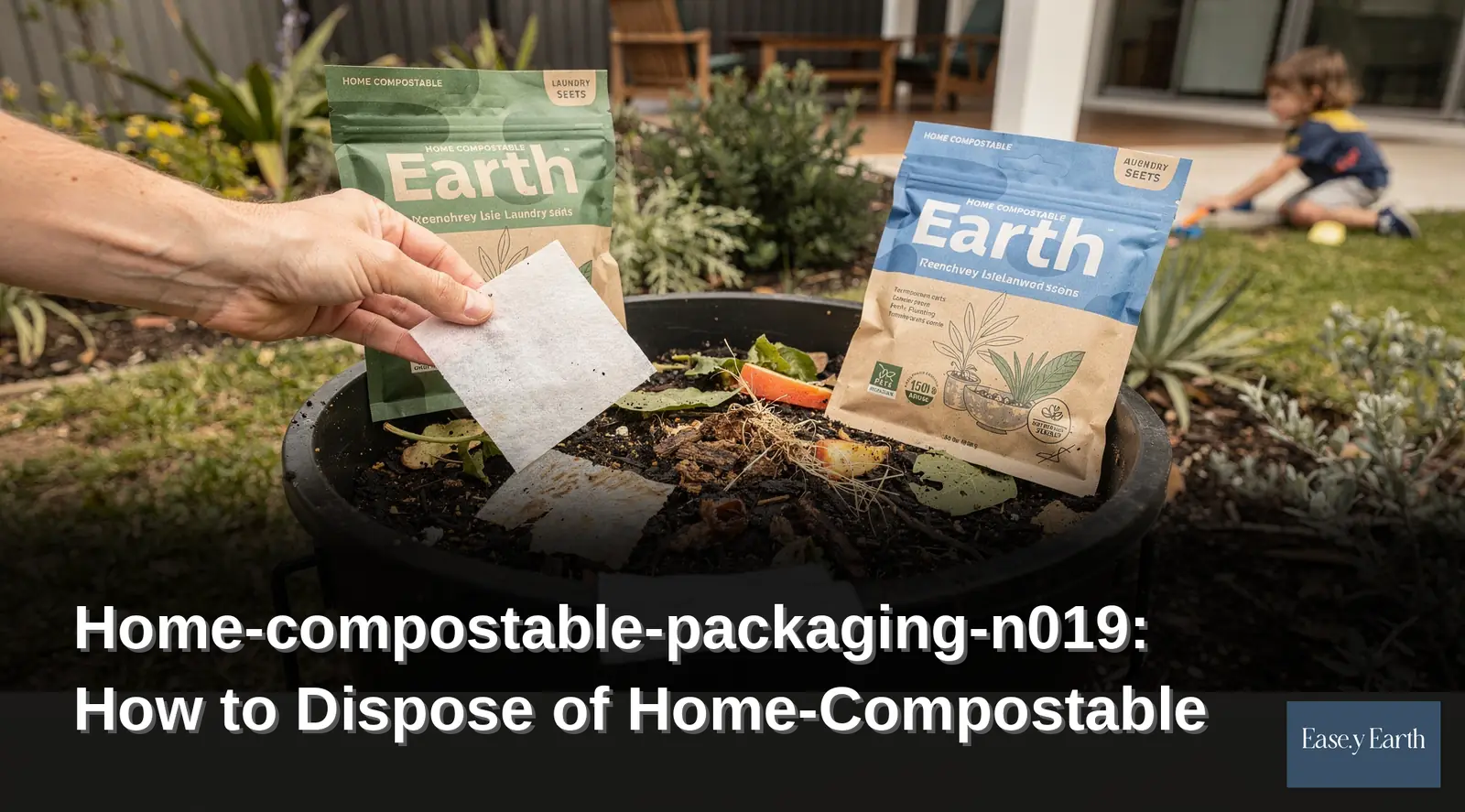
Home compostable packaging disposal requires five steps: remove labels, shred material, add to a compost bin with equal brown-to-green ratio, maint
Compostable packaging disposal requires checking local composting facilities and certification type before discarding. Not all products break down in backyard bins. Trusted brands like noissue, rated 4.6/5 stars by over 2,200 busin
Home compostable packaging disposal requires checking local composting facility availability and certification type before tossing sheets in a bin. Easey Earth's laundry and dishwashing sheets, trusted by 3,000+ Australian families, ship with minimal, plastic-free packaging designed to break down naturally, reducing household waste without sacrificing cleaning performance or convenience.
What is home-compostable-packaging-n019?
Home-compostable-packaging-n019 refers to packaging materials designed to break down into natural elements within a home compost bin, contributing to soil health rather than landfill waste. Unlike industrial compostable materials requiring high-temperature facilities, this packaging decomposes through the natural biological processes found in a backyard compost pile.
How does home-compostable packaging differ from industrial compostable packaging?
Industrial compostable packaging requires commercial facilities that maintain temperatures above 60°C (140°F) for extended periods. Home-compostable packaging breaks down at ambient outdoor temperatures, typically taking several months to a year depending on conditions. This distinction matters because most Australian households lack access to industrial composting facilities.
What makes Easey Earth's packaging home-compostable?
Easey Earth uses plant-derived materials for its laundry and dishwashing sheets, eliminating plastic bottles from household cleaning routines. The brand's packaging aligns with how-to-compost-packaging-n019 principles by using materials that decompose naturally in a home compost environment. This approach reduces plastic waste while ensuring the packaging returns nutrients to the soil rather than persisting in landfills for centuries.
| Packaging Type | Decomposition Environment | Typical Timeline |
|---|---|---|
| Home-compostable | Backyard compost bin | Several months to 1 year |
| Industrial compostable | Commercial facility | 60-90 days |
| Conventional plastic | Landfill | 100+ years |
For households using compostable-detergent-packaging-n019, the key requirement is maintaining proper compost conditions. Balanced green and brown materials, adequate moisture, and regular turning. When disposed of correctly, this packaging completes its lifecycle by enriching garden soil rather than contributing to the 130 million tonnes of plastic packaging waste generated globally each year.
How-to-compost-packaging-n019 step by step?
Composting packaging at home requires a four-step process that starts with checking the product's certification. Ends with maintaining the right moisture and oxygen levels in the pile. Without following these steps correctly, compostable packaging ends up in landfill where it cannot break down, defeating its environmental purpose entirely.
Step 1: Check the certification label
The disposal method depends entirely on the packaging's certification type. Many products carry misleading claims, so customers must look for a clear label stating home-compostable-packaging-n019 or an equivalent standard. Industrial-only compostable packaging requires a commercial facility that reaches higher temperatures than a home bin can provide. If the label only says "compostable" without specifying home conditions, assume it needs industrial processing.
Step 2: Prepare the packaging for the pile
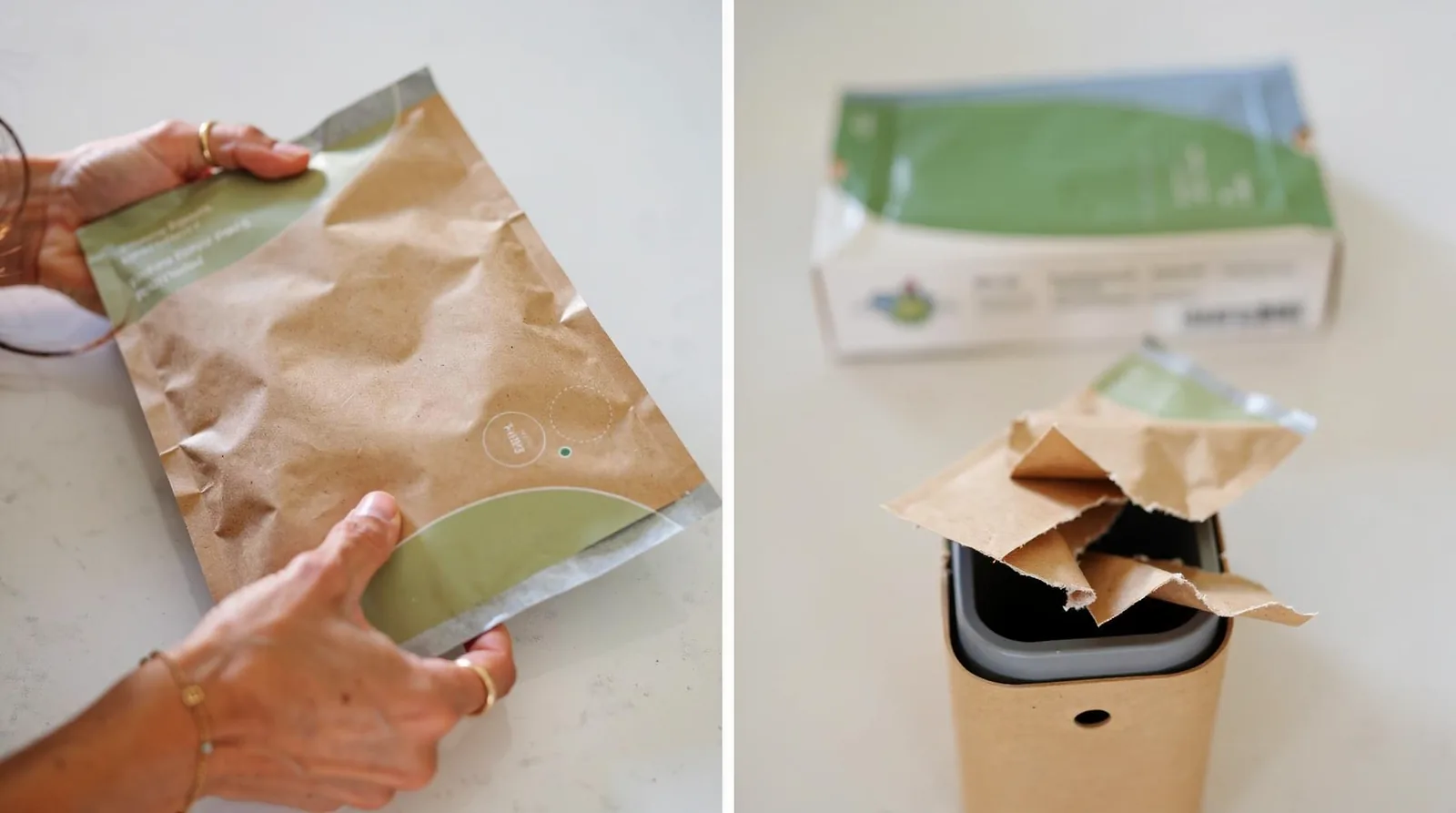
Tear or cut compostable mailers and detergent pouches into smaller pieces before adding them to the compost bin. These tear-resistant materials, often made from corn-based polymers, break down much faster when shredded. Smaller surface area gives microorganisms more access points to begin decomposition.
Step 3: Balance the compost ingredients
Add the prepared packaging to a home compost pile that contains equal parts browns (dry leaves, cardboard) and greens (food scraps, grass clippings). This balance provides the carbon and nitrogen that microorganisms need for aerobic decomposition. The packaging counts as a brown material.
Step 4: Maintain aerobic conditions
Keep the pile moist like a wrung-out sponge and turn it weekly. Microorganisms feed on the materials during the composting process, and they require oxygen to work effectively. A dry or compacted pile slows how-to-compost-packaging-n019 dramatically, potentially leaving packaging intact for months.
What makes compostable-detergent-packaging-n019 different from other compostable items?
Detergent packaging often contains thinner plant-based films that decompose faster than thicker mailers. These sheets break down within 8-12 weeks in a well-maintained home compost, compared to 12-24 weeks for shipping mailers. The key difference is material thickness and polymer composition.
Can compostable packaging go in a worm farm instead?
Worm farms (vermicomposting) process compostable packaging more slowly than traditional hot compost piles. Worms prefer food scraps and soft organic matter over plant-based polymers. Customers should stick to a standard compost bin for packaging and reserve the worm farm for kitchen waste.
Where to put compostable-detergent-packaging-n019?
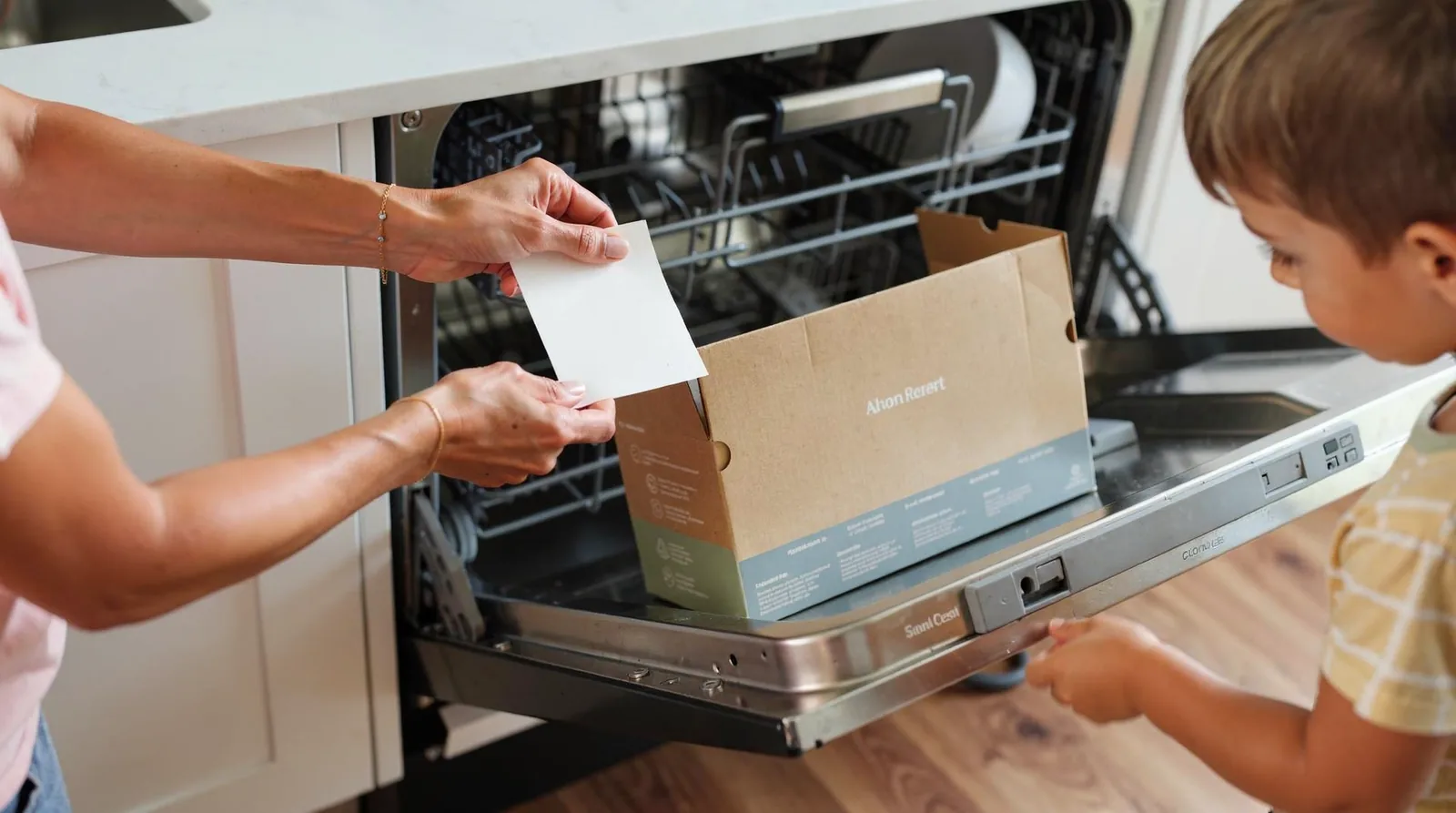
Easey Earth's detergent sheets arrive in cardboard packaging designed for home composting. This compostable-detergent-packaging-n019 belongs in a home compost bin or an industrial facility, depending on the certification type printed on the box. Without proper disposal, the packaging ends up in landfill where it cannot break down as intended.
How does home composting work for this packaging?
Home composting requires oxygen, moisture, and microorganisms to break down organic materials. The cardboard packaging from Easey Earth's detergent sheets fits this process when added correctly. A backyard compost pile typically processes materials over several months, sometimes years, depending on conditions.
What steps ensure successful breakdown?
Follow these steps for effective how-to-compost-packaging-n019:
- Tear the cardboard into small pieces, roughly 2-3 centimeters across.
- Mix the pieces into the center of the compost pile, not on top.
- Layer with food scraps, grass clippings, and dry leaves for balanced carbon and nitrogen.
- Turn the pile every 1-2 weeks to maintain oxygen flow.
- Keep the pile moist like a wrung-out sponge — too dry stops decomposition, too wet causes odor.
Choosing home compostable packaging represents a meaningful step toward reducing household waste and supporting a circular economy. By following proper disposal methods, you transform packaging from landfill burden into nutrient-rich soil amendment. This simple practice aligns everyday choices with environmental responsibility, proving that sustainable living begins at home—one compost bin at a time.